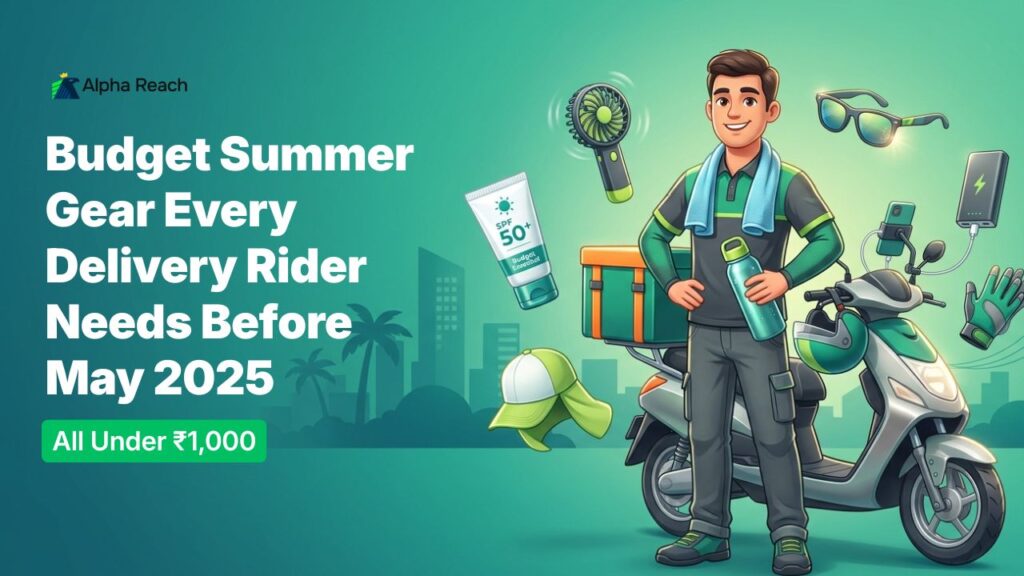
The Indian summer is no longer just a season; it is an annual economic challenge for the millions of delivery partners powering the gig economy. As temperatures in cities like Delhi, Ahmedabad, and Hyderabad regularly breach the 45°C mark, the road becomes a furnace. For a rider working for Swiggy, Zomato, or Blinkit, the environment is a workplace that offers no air conditioning and no shade.
In this landscape, your gear is your “infrastructure.” Many riders believe that “toughing it out” is a badge of honor, but the biological reality is different. Heat exhaustion doesn’t care how tough you are. By investing less than ₹1,000—the earnings of roughly one or two good days of riding—you can fundamentally change your physical endurance.
This guide isn’t about luxury; it’s about performance, safety, and profit maximization. Here is how to build your 2025 Summer Kit without breaking the bank.
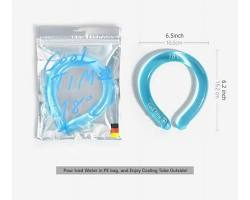
1. The Science of the Cooling Neck Wrap (₹99–₹199)
Why the Neck?
Your body has specific “thermal windows”—areas where blood vessels are close to the skin’s surface. The neck is the most critical. The carotid arteries supply blood to your brain; if the blood passing through your neck is cooled, your brain perceives a lower core temperature, reducing the “suffocation” feeling of 40°C heat.
The Tech: Evaporative Cooling
Most budget cooling wraps are made of PVA (Polyvinyl Alcohol) or specialized microfiber. Unlike a regular cotton towel that stays wet and gets “mushy,” these wraps hold water in a way that allows slow, controlled evaporation.
- Budget Tip: If you can’t find a branded wrap, a “Gamcha” (traditional cotton towel) is the original Indian cooling tech. However, the ₹99 cooling wraps found on Meesho or Amazon stay cool for 3x longer than a standard towel.
How to Maximize Efficiency
Don’t just wet it and forget it. At every “Water Point” or restaurant pickup, re-soak the wrap. Placing it in the freezer for 10 minutes before your shift starts can give you an “ice-cold” start for the first 45 minutes of your ride.
2. UV-Protection Arm Sleeves: Beyond the Tan (₹100–₹200)
The Hidden Danger: Cumulative UV Damage
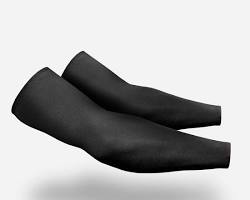
A delivery rider’s arms are positioned forward on the handlebar, directly facing the sun for hours. This isn’t just about getting a tan. Prolonged UV exposure leads to Photo-aging (leathery skin) and Solar Dermatitis (itchy red bumps).
Why Sleeves are Better than Bare Skin
It seems counterintuitive to wear more clothes in summer, but high-quality UV sleeves (usually a nylon-spandex blend) create a micro-climate.
- Sweat Wicking: They pull sweat away from the skin, which then evaporates, cooling the arm.
- Wind-Chill Effect: As you ride, the wind hitting the damp sleeves creates a constant cooling sensation.
- Compression: Good sleeves offer mild compression, reducing muscle vibration and fatigue during long shifts.
Where to Buy
Avoid the premium “sports brand” sleeves costing ₹800. Look for “Delivery Partner UV Sleeves” on Flipkart or from local wholesalers in markets like Chandni Chowk (Delhi) or Chickpet (Bangalore), where they sell for as low as ₹80–₹120.
3. Ventilated ISI Helmets: The Safety-First Approach (₹500–₹800)
The Heat Trap Problem
A standard full-face helmet without vents is essentially a plastic oven. Your head generates a massive amount of heat, and if that heat has nowhere to go, your internal temperature rises, leading to dizziness.
The “Open-Face” vs. “Ventilated Full-Face” Debate
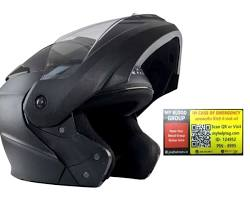
For summer, an Open-Face (Jet Style) helmet is highly recommended for city deliveries.
- Airflow: Direct air hits the face, preventing sweat from stinging the eyes.
- Communication: It’s easier to talk to customers and restaurant staff without removing the helmet every time.
- Safety Check: You must ensure it carries the ISI Mark. Roadside non-ISI helmets are made of cheap plastic that can shatter upon impact. Brands like Studds (Ninja series) or Vega (Crux) often have entry-level ISI models in the ₹750 range.
Maintenance Tip
Summer sweat makes helmet liners smell and causes skin acne. Buy a helmet where the “inner padding” is removable. Wash it every Sunday to keep it hygienic.
4. SPF 50 Sunscreen: Your Invisible Shield (₹150–₹300)
Why SPF 50?
In India, SPF 30 is often not enough for 8-hour outdoor exposure. SPF 50 filters out approximately 98% of UVB rays.
The Economics of Sunscreen
A ₹250 tube of sunscreen might seem expensive, but consider the cost of skin medication or the lost wages if you have to take three days off due to a severe heat rash or sun fever.
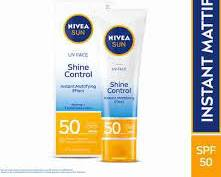
- Recommended Brands: Himalaya Herbals, Nivea Sun, and Lotus Herbals offer “matte” finishes. Avoid “creamy” sunscreens as they mix with dust on the road and become sticky.
- The “Two-Finger” Rule: Apply two strips of sunscreen on your index and middle fingers—this is the amount needed for your face and neck combined.
5. Insulated Bag Liners: Protecting Your Ratings (₹200–₹400)
The Impact on Customer Satisfaction
In summer, Zomato and Swiggy customers order more cold beverages, shakes, and ice creams. If a Zepto rider delivers a melted tub of ice cream, the customer doesn’t blame the weather—they blame the rider.
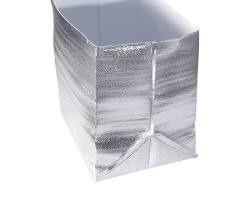
How to Use Liners
You don’t need a new expensive bag. Buy a thermal silver-foil liner or a collapsible insulated box that fits inside your existing delivery bag.
- DIY Hack: You can buy “Bubble Foil” sheets from a hardware store for ₹50 and line the inside of your bag yourself. This creates a thermal barrier that keeps the internal temperature 5–10°C lower than the outside.
- Earnings Link: Higher ratings lead to better “batches” of orders. Keeping food at the right temperature is the easiest way to get a 5-star rating.
6. Handlebar Bottle Holder & The Hydration Strategy (₹150–₹250)
The “Friction” of Hydration
If your water bottle is inside your bag, you will only drink when you stop for a delivery. By then, you are already dehydrated. Dehydration leads to slower reaction times on the road, increasing the risk of accidents.
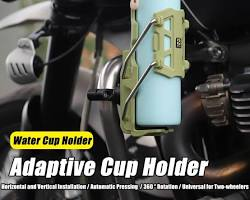
The Hardware
A plastic or lightweight aluminum bottle holder that clamps onto the handlebar or the mirror stalk is essential.
- What to Drink: Plain water isn’t enough when you’re sweating for 10 hours.
- ORS (Oral Rehydration Salts): A ₹5-10 sachet added to your water can prevent muscle cramps.
- The “Desi” Electrolyte: Carry a small bottle of salt and sugar, or even better, “Sattu” water, which is a natural coolant popular among riders in North India.
7. Bonus Gear: The ₹0–₹100 Add-ons
- Cotton Head Scarf/Skull Cap (₹30): Wear this under your helmet. It absorbs the sweat before it reaches the helmet liner, keeping your head dry and the helmet clean.
- Microfiber Cloth (₹50): Used to wipe your visor. In summer, dust and dried sweat on the visor can cause “glare” from oncoming headlights at night, which is dangerous.
Comparing the Costs: The “Summer Kit” Breakdown
| Gear Item | Budget Option (Price) | Where to Find |
| Cooling Neck Wrap | ₹149 | Amazon / Meesho |
| UV Arm Sleeves | ₹120 | Local Market / Flipkart |
| ISI Open-Face Helmet | ₹650 | Local Helmet Store |
| SPF 50 Sunscreen | ₹199 | Pharmacy / Apollo 24/7 |
| Insulated Liner | ₹250 | Wholesale Bag Shops |
| Bottle Holder | ₹150 | Cycle/Bike Accessory Shop |
| TOTAL | ₹1,518 | (Reduced to ₹950 with savvy shopping) |
Note: If you already have a helmet, your total cost drops to just ₹300–₹400.
Chapter 8: Health & Safety—Recognizing the Red Zones
As a rider, you need to be your own doctor. Learn to recognize the symptoms of Heat Exhaustion before it turns into Heat Stroke.
- Stage 1: Heat Cramps: Tightness in legs or abdomen. Action: Stop immediately, drink ORS, find shade.
- Stage 2: Heat Exhaustion: Heavy sweating, rapid pulse, dizziness, and “dark-colored” urine. Action: You must stop working for the day. Pour water over your head and neck.
- Stage 3: Heat Stroke: Skin becomes hot and dry (no sweat), confusion, fainting. This is a medical emergency.
The “Golden Hour” Strategy
Between 1:00 PM and 4:00 PM, the sun is at its peak. If your platform allows, take a break during these hours. Many smart riders start their “Login” at 7:00 AM, take a long break in the afternoon, and work the late-night “Dinner Peak” when the air is cooler and the “Rain/Night Surge” pay is active.
Chapter 9: Maintaining Your Vehicle in the Heat
Your bike suffers as much as you do.
- Tire Pressure: In 45°C heat, air expands. If your tires are over-inflated, they are prone to “bursts” on the highway. Keep them at the manufacturer’s recommended level (usually 25–32 PSI).
- Engine Oil: Thin oil loses its lubrication property in extreme heat. Switch to a slightly higher viscosity oil if your mechanic recommends it for summer.
- Parking: Always look for a “Tree Shade” or a building’s shadow when waiting for orders. A seat left in direct sun can reach 60°C, causing discomfort and damaging the seat cover.
Chapter 10: The Financial Reality—Spending to Earn
Let’s look at the “Rider ROI” (Return on Investment):
- Scenario A (No Gear): You get exhausted by 2:00 PM. You go home. Total earnings: ₹400.
- Scenario B (With Gear): You use your cooling wrap and sleeves. You feel fresh enough to work until 5:00 PM and catch the early dinner rush. Total earnings: ₹750.
In just three days, your gear has paid for itself. For the rest of the summer (90+ days), that gear is making you pure profit by allowing you to stay on the road longer and safer.
Final Words: Your Shift, Your Life
The delivery companies provide the platform, but you provide the sweat. In the 2025 summer, don’t let the heat dictate your bank balance.
By spending less than ₹1,000, you are telling the world that you are a professional. A professional protects their health, their equipment, and their ratings.
Gear up, stay hydrated, and ride safe.
Looking for New Opportunities?
If you have the gear and are ready to maximize your income, check out the latest high-paying delivery roles across India.
👉 Apply for Swiggy, Zomato, Zepto, and Blinkit Jobs: alphareach.tech/jobs
- Direct Onboarding
- No Hidden Charges
- Jobs in 400+ Cities
Get started today and beat the heat with a better paycheck!