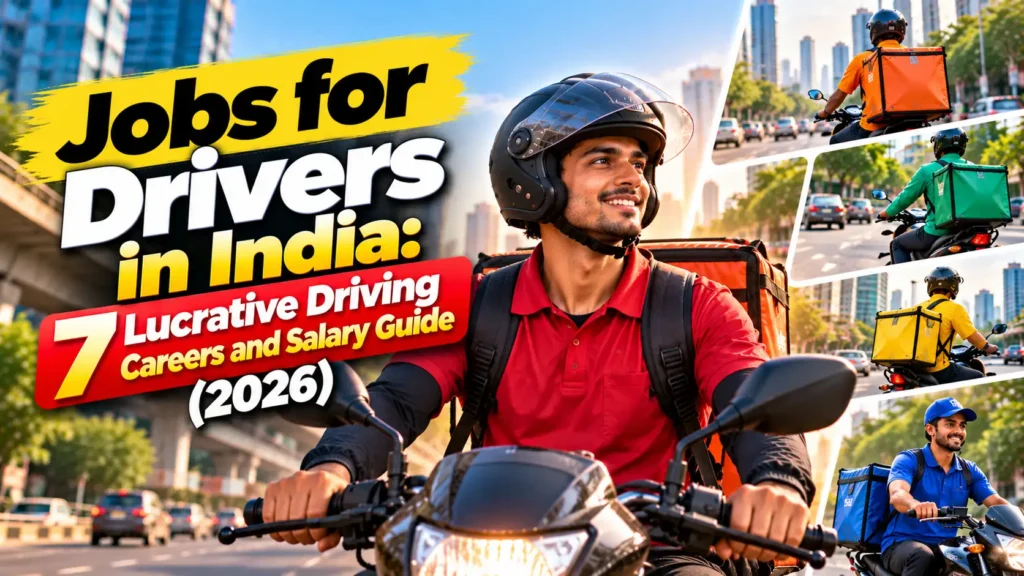
Professional driving has emerged as one of the most vital, resilient, and indispensable pillars of the Indian economy. From transporting corporate executives across bustling metropolitan corridors and fulfilling millions of e-commerce delivery dispatches to navigating heavy freight trucks along national logistics highways, the nationwide demand for skilled, reliable drivers continues to break historical records. For skilled motorists seeking jobs for drivers in India, the modern transportation ecosystem offers diverse vocational avenues characterized by competitive monthly salaries, performance incentives, and comprehensive platform protections. If you hold a valid driving license and want to connect with verified driving and delivery vacancies across India, you can browse high-paying driver jobs on AlphaReach to find immediate-joining opportunities in your city today.
The traditional image of driving as an unorganized, unpredictable occupation has undergone a radical transformation. Today’s commercial driving sector is deeply integrated with digital mobility aggregators, organized third-party logistics (3PL) conglomerates, automated dark store distribution networks, and electric vehicle fleet operators. This structural modernization means professional drivers enjoy formalized earnings, digitized dispatch scheduling, direct bank settlements, and statutory accident insurance coverage.
Moreover, the commercial vehicle spectrum accommodates a vast range of skills and licensing tiers—from Light Motor Vehicle (LMV) operators handling compact delivery vans and app-based cabs to Heavy Commercial Vehicle (HCV) captains steering inter-state container trailers. In this definitive 2026 driver career guide, we analyze the top seven driving sectors in India, detail statutory licensing requirements, examine authentic monthly earning potentials, and provide strategic advice to maximize your net income.
The Modern Commercial Driving Landscape: Regulation, Safety, and Mobility
To build a prosperous driving career in India, professional motorists must understand the regulatory frameworks and technological shifts shaping the sector. Driving in India is governed by the Motor Vehicles Act and statutory administrative guidelines administered by the Ministry of Road Transport and Highways (MoRTH). Over recent years, regulatory reforms have standardized licensing protocols, introduced unified digital Sarathi Parivahan portals, and mandated rigorous vehicle fitness and pollution certifications.
A critical legal distinction every professional driver must understand is vehicle classification. While a private non-transport Light Motor Vehicle (LMV-NT) license historically limited drivers to personal cars, legal precedents and statutory amendments allow LMV license holders to operate transport vehicles whose unladen weight does not exceed 7,500 kilograms (such as app-based passenger cabs, compact pickup trucks, and last-mile electric delivery vans) without requiring a separate commercial transport endorsement, provided the vehicle is within statutory weight thresholds.
Furthermore, the integration of telematics, GPS navigation, and smart automated dispatch algorithms has elevated the professional standing of drivers. Today’s professional driver is not merely a steering operator; they are mobile fleet professionals who manage mobile app interfaces, navigate optimized routes, verify digital bills of lading, and maintain high standards of vehicle safety and passenger comfort.
Comparative Analysis: Top 7 Driving Careers in India
Depending on your licensing credentials, geographic preferences, and preferred working hours, the Indian driving market offers distinct operational environments ranging from local urban deliveries to long-distance inter-state cargo transit.
The comparative table below outlines the primary driving career pathways in India, detailing licensing prerequisites, typical monthly earnings, work hours, and primary benefits:
| Driving Category | Licensing Requirement | Avg. Monthly Earnings | Daily Work Hours | Primary Working Setting |
| Last-Mile E-Commerce / Quick Comm. Van | LMV (Commercial / Private) | Rs. 22,000 – Rs. 35,000 | 8 – 10 Hours | Intra-city Hub to Dark Store |
| App-Based Cab Aggregator Driver | LMV License | Rs. 25,000 – Rs. 42,000 | 10 – 12 Hours | Urban Passenger Transit |
| Corporate / Private Chauffeur | LMV License + Clean Record | Rs. 20,000 – Rs. 30,000 | 9 – 11 Hours | Corporate Executives / Families |
| Inter-State Heavy Freight Truck Driver | HMV / Trans Commercial | Rs. 32,000 – Rs. 55,000 | Long Haul / Shifts | National Highways / Freight Corridors |
| Hospital Ambulance Driver | LMV / HMV + First Aid Cert. | Rs. 18,000 – Rs. 28,000 | Rotational Shifts | Emergency Medical Services |
| School / Staff Bus Driver | Heavy Passenger Vehicle (HPV) | Rs. 18,000 – Rs. 26,000 | Fixed Split Shifts | Institutional Transit |
| Electric Fleet Delivery Pilot | LMV Commercial | Rs. 24,000 – Rs. 36,000 | 8 – 10 Hours | Green Urban Logistics Hubs |
Hold a valid driving license and ready to secure a steady, high-paying driving role with leading corporate and logistics fleets? View verified vacancies across cabs, delivery vans, and logistics fleets: browse high-paying driver jobs on AlphaReach and apply today.
Deep Dive: Last-Mile Delivery and Van Driving as the Most Stable Sector
While passenger cab driving has historically attracted thousands of motorists, last-mile e-commerce and quick-commerce delivery driving has emerged as the most financially predictable and stress-free sector in the transportation industry. Passenger ride-hailing drivers frequently face unpredictable customer behavior, passenger cancellations, high platform commission deductions (often 20% to 28%), and escalating urban traffic fatigue.
In contrast, e-commerce and grocery logistics van drivers operate on structured routes with commercial packages and pre-sorted crates. Drivers pick up consolidated cargo from central distribution hubs and transport shipments to local neighborhood dark stores, retail hubs, or bulk institutional buyers. This workflow eliminates the friction of passenger handling, reduces route randomness, and provides stable, predictable shift schedules.
Financially, commercial van and electric logistics fleet drivers benefit from fixed daily or monthly compensation structures supplemented by performance incentives for on-time delivery. Furthermore, because major logistics companies maintain corporate fleet leases, drivers often operate company-provided vehicles with corporate fuel cards, eliminating personal vehicle depreciation and unpredictable repair expenses.
Mandatory Licensing, Documentation, and Verification Standards
Securing a professional driving role with reputable transport aggregators or corporate fleets requires meticulous compliance with statutory documentation standards. Institutional fleet operators enforce strict background verification checks to maintain safety and passenger trust.
First and foremost is your valid Driving License (DL) issued by your state Regional Transport Office (RTO). Ensure your license is unexpired, undamaged, and verified on the central Parivahan digital portal. For heavy goods vehicles (HMV) or hazardous material transport, ensure your commercial endorsements and specialized training certificates are current. For private and light commercial transport, ensure your LMV license has been active for at least one to two years if required by employer policy.
Additionally, professional drivers must assemble their standard personal documentation: an Aadhaar card linked to their mobile phone, PAN card, current residential address proof, and an active savings bank account for direct wage deposits. Corporate fleets also mandate a Police Clearance Certificate (PCC) or local police verification report to verify a clean criminal and traffic safety record.
Operational Mastery: How Professional Drivers Maximize Net Earnings
Earning a top-tier income as a commercial driver requires operational discipline and vehicle management acumen. Careless driving practices and poor route planning quickly erode gross earnings through elevated fuel consumption, frequent maintenance breakdowns, and traffic penalties.
First, practice eco-driving techniques. Aggressive acceleration, frequent hard braking, and excessive idling consume up to 25% more fuel compared to smooth, anticipatory driving. By maintaining steady speeds, shifting gears at optimal RPM ranges, and keeping tires inflated to manufacturer-recommended pressures, drivers operating on self-fueling arrangements can save Rs. 3,000 to Rs. 6,000 every month on diesel or petrol.
Second, master navigational tools and traffic timing. Operating during peak demand windows while avoiding heavily congested bottlenecks reduces non-productive idling time. For delivery drivers, grouping delivery stops logically and maintaining disciplined turnaround times at loading docks ensures maximum trip completions per shift, directly unlocking higher performance bonuses.
Earn Rs. 24,000 to Rs. 40,000+ monthly as a commercial delivery driver! Access company-provided vehicles, fuel allowances, accident coverage, and on-time weekly payouts. apply for delivery driver roles on AlphaReach now.
Frequently Asked Questions (FAQs)
What is the average monthly salary for drivers in India?
Commercial driver salaries range from Rs. 20,000 to Rs. 35,000 per month for light commercial vehicles and delivery vans, Rs. 25,000 to Rs. 42,000 for cab drivers, and up to Rs. 35,000 to Rs. 55,000+ for heavy commercial truck drivers.
Can I drive a commercial delivery van with a private LMV license in India?
Under Supreme Court rulings and MoRTH guidelines, an LMV license holder can drive transport vehicles with an unladen vehicle weight below 7,500 kg without a separate commercial transport endorsement, provided state-specific guidelines are observed.
What documents are required to apply for commercial driver jobs?
You need an unexpired Driving License (LMV or HMV), Aadhaar card, PAN card, address proof, bank account details (cancelled cheque/passbook), and often a Police Clearance Certificate (PCC) certifying a clean record.
Do delivery driver jobs provide vehicles or do I need my own van?
Both models exist. Many leading third-party logistics firms and quick-commerce operators provide company-leased electric or CNG delivery vans with corporate fuel cards, while owner-drivers can attach their personal commercial vehicles for higher gross revenue.
How can commercial drivers reduce vehicle maintenance costs?
Drivers can minimize costs by practicing smooth acceleration and braking, performing weekly checks on engine oil and coolant levels, adhering to recommended tire pressures, and addressing minor mechanical noises before they become major breakdowns.
Conclusion
Commercial driving in India has evolved into a structured, highly demanded profession that provides competitive earnings, dignified working conditions, and robust long-term career security. With the relentless expansion of e-commerce delivery networks, quick commerce, and national freight corridors, skilled drivers are the indispensable engines of the nation’s supply chain.
By maintaining clean driving records, mastering modern vehicle telematics and navigation tools, adhering to safety protocols, and partnering with verified corporate fleet operators, professional drivers can achieve dependable financial prosperity and continuous career progression.